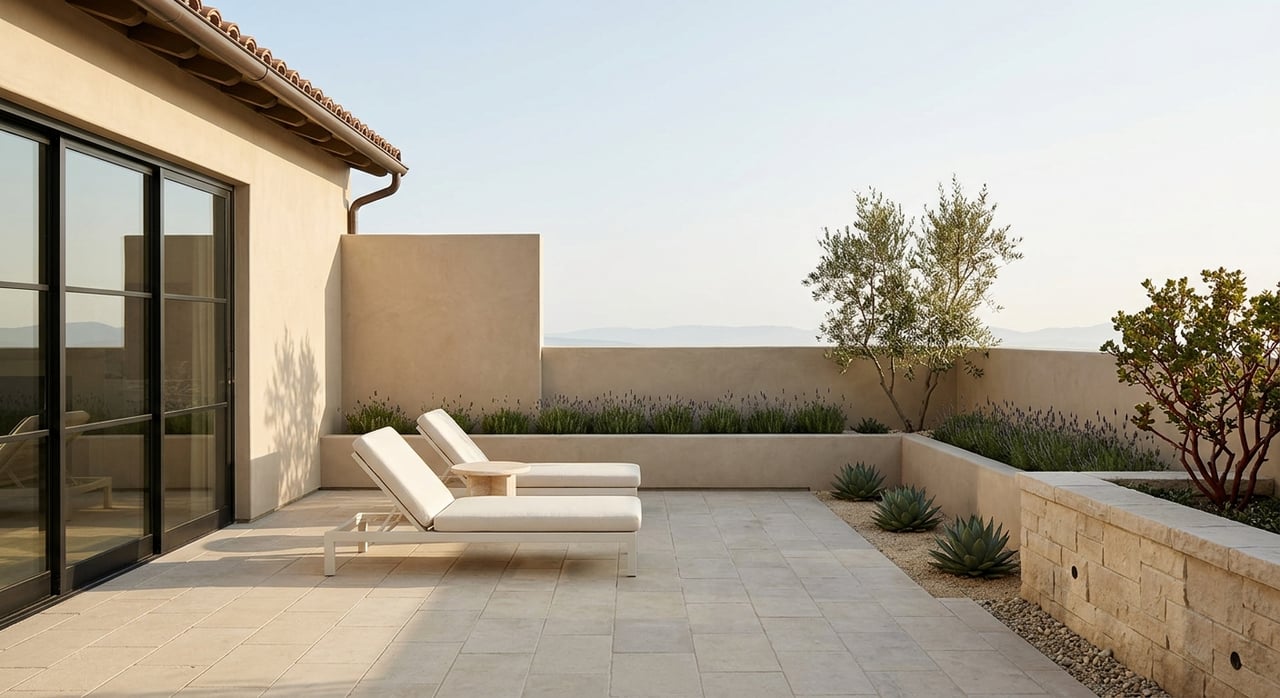
A great view can stop you in your tracks, but in Chatsworth, the smartest buyers look past the horizon line. If you are considering a view home, you are probably thinking about sunsets, privacy, and long-term value. You should also be thinking about slope, access, drainage, sun exposure, and wildfire readiness. When you know what to look for, you can choose a home that feels just as good to own as it does to photograph. Let’s dive in.
Why Chatsworth view homes need extra review
In Chatsworth, a view home is not just about the house itself. Local planning guidance treats hillside housing as a site-specific decision that should account for topography, geology, slope steepness, soil stability, erosion, drainage, fire protection, and vehicular access. That means the lot and its setting matter as much as the floor plan.
For you as a buyer, this changes the way you evaluate value. A dramatic outlook may be appealing, but it should be weighed alongside practical ownership factors like driveway access, drainage patterns, and how much usable land you actually have. In many cases, the best view home is the one that balances scenery with day-to-day function.
It is also wise to look beyond the property line. If the view depends on open terrain, setbacks, or neighboring undeveloped land, future construction could affect sightlines. Chatsworth’s planning framework places strong emphasis on hillside terrain and development patterns, so understanding what surrounds the home is part of doing your homework.
Check the lot, not just the living room
When touring a Chatsworth view property, try to think like an owner, not just a first-time visitor. Beautiful interior rooms can draw your attention quickly, but the lot often tells you more about long-term livability. Slope, retaining walls, drainage paths, and access points all deserve a close look.
A lot with extensive slope may offer impressive views but limited flat outdoor space. If you want room for everyday outdoor use, ask yourself how much of the yard is actually functional. A property can have a premium setting and still fall short if most of the site is difficult to use.
Drainage also deserves careful attention. Given the terrain issues associated with hillside properties, signs of erosion, runoff, or stress around retaining walls should not be ignored. Even if the home presents well, the land itself needs to work properly in different weather conditions.
Think about sun orientation and comfort
The direction a home faces can shape your daily experience as much as the view itself. According to the U.S. Department of Energy, south-facing windows can bring in more winter sunlight, north-facing windows usually provide more even light with less unwanted summer heat, and east- and west-facing windows can create glare and substantial summer heat gain.
That matters in Chatsworth, where a west-facing view may deliver gorgeous sunsets but also hotter late afternoons inside and out. A room that feels bright and inviting in listing photos may feel much less comfortable during peak sun. If possible, tour the home at different times of day or ask questions about how the spaces feel in the afternoon.
Outdoor living areas deserve the same level of attention. Decks, patios, balconies, and seating areas may look ideal on paper, but if they have little shade, they may be less usable than you expect. In a view home, the best outdoor space is not just scenic. It is comfortable enough to enjoy regularly.
What to notice during a tour
- Which rooms capture the view best, and when do they get direct sun?
- Does the patio, balcony, or deck have usable shade?
- Are there window coverings, exterior shades, or awnings that help reduce glare and heat?
- Do the main living spaces still feel comfortable during the hottest part of the day?
DOE guidance also notes that window attachments and exterior shading can improve energy performance, reduce glare, and help with privacy. In a Chatsworth view home, those features can make a major difference in how the property feels throughout the year.
Access matters more than many buyers expect
One of the most overlooked parts of buying a view home is access. In hillside areas, local regulations address issues such as grading, height, yard requirements, fire protection, parking, street access, sewer connections, and lot coverage. That tells you something important right away: access is not a minor detail.
Chatsworth’s community plan specifically identifies vehicular access as a factor in hillside development. So when you visit a home, notice how easy or difficult it feels to reach, enter, and use on a normal day. A scenic setting can lose some appeal if the driveway is awkward, the street feels tight, or guest parking is limited.
This is not just about convenience. Everyday ownership includes deliveries, visitors, moving trucks, trash service, and emergency access. A property that feels simple to navigate can be much easier to enjoy over time than one that is constantly challenging in small but important ways.
Practical access questions to ask
- Does the street feel wide enough for normal traffic and emergency use?
- Is the driveway steep, narrow, or hard to enter?
- Will guests have a reasonable place to park?
- Would moving furniture or handling deliveries be straightforward?
If you are considering future improvements, access becomes even more important. Hillside construction regulations can limit grading and haul-route activity on some projects, which may affect how easy it is to remodel or expand later.
Review permits and property records early
Before you make an offer on a Chatsworth view home, it is smart to verify property records and permit history. LADBS provides tools such as property records, parcel profile reports, ZIMAS, Atlas, and NavigateLA, and notes that these records can help purchasers understand what permits have already been issued.
This step is especially important if the property has features commonly added over time. Decks, retaining walls, additions, pools, and grading work can all be significant on hillside lots. Reviewing permit history can help you understand whether prior work appears to have gone through the proper process.
This is also useful if you already know you may remodel after closing. LADBS reviews building, mechanical, electrical, plumbing, and grading plans, and it inspects construction in stages. In other words, permit history is not just paperwork. It can give you a clearer picture of what exists today and what future projects may involve.
Wildfire readiness should be part of your decision
For elevated or brush-adjacent homes, wildfire readiness is a serious ownership issue. CAL FIRE says home hardening uses construction features, materials, and maintenance practices to help a home resist ignition from embers, radiant heat, and direct flame. It also states that home hardening, combined with defensible space, gives a house the best chance of surviving a wildfire.
LAFD adds an important local layer for Los Angeles properties. The department administers the city’s brush clearance program in the Very High Fire Hazard Severity Zone and states that required clearance is a year-round responsibility in applicable areas. Properties that do not comply can be reinspected and, in some cases, cleared by City contractors at the owner’s expense.
For you as a buyer, this means wildfire readiness should be part of the home tour, not an afterthought. Look closely at the condition of the roof, gutters, vents, eaves, siding, windows, and doors. These are the exterior components CAL FIRE highlights in home-hardening guidance, and they matter even more when a home has broad exposure to open terrain.
A practical wildfire lens for buyers
- Is the property in a fire hazard severity zone?
- Does the home appear to need brush clearance or vegetation management?
- Are combustible materials too close to the structure?
- Do exterior features appear well maintained and suited to a higher-exposure setting?
Watch for drainage and slope issues
Wildfire is not the only natural-risk conversation that matters on a hillside lot. USGS notes that landslides occur in every state and that their frequency and severity depend on terrain, geology, and climate. It also notes that debris flows are fast-moving downslope mixtures of soil, rock, organic matter, air, and water, and that post-wildfire debris flows can be especially dangerous after intense rainfall in mountainous terrain.
That is why drainage deserves real attention during your evaluation. On a Chatsworth view lot, you want to understand how water moves across the property and away from the house. Problems around downspouts, retaining walls, slope edges, or the base of the hill can point to maintenance needs or bigger concerns.
You do not need to assume every slope is problematic, but you do want to be observant. A home with solid drainage, visible upkeep, and practical mitigation measures will often feel far more secure than one where runoff and erosion appear unmanaged.
A simple checklist for buying a Chatsworth view home
If you want to stay focused while touring properties, use this short checklist:
- Confirm which direction the view faces and how much afternoon sun reaches the main living areas.
- Evaluate whether the outdoor spaces are scenic and usable.
- Notice how much of the lot is flat and functional versus steep slope.
- Check driveway ease, street width, and general access.
- Review whether the property may be affected by brush-clearance requirements or fire-zone considerations.
- Look for signs of erosion, drainage problems, or stress around retaining walls.
- Verify permit history for additions, decks, pools, retaining walls, and grading work.
- Consider what sits next door and whether future building could affect privacy or sightlines.
The real value of a view home
A Chatsworth view home can be a wonderful purchase, but the premium makes the most sense when the property delivers more than a pretty backdrop. The strongest candidates usually combine an appealing outlook with practical access, manageable sun exposure, usable outdoor areas, and visible attention to wildfire and drainage concerns. That combination supports comfort today and confidence over time.
If you are weighing view properties in Chatsworth, experienced local guidance can help you look beyond surface appeal and focus on the details that matter most. To start a private conversation about the area and available opportunities, connect with Rodney Johnson II.
FAQs
What should you check first when buying a view home in Chatsworth?
- Start with the lot itself, including slope, drainage, access, usable outdoor space, and how the view may be affected by surrounding terrain or future development.
How does sun exposure affect a Chatsworth view home?
- Orientation can change indoor comfort, glare, and patio usability, especially in homes with west-facing views that may get stronger afternoon heat.
Why are permits important for Chatsworth hillside homes?
- Permit records can help you confirm whether prior work such as decks, retaining walls, additions, pools, or grading appears to have been properly reviewed and approved.
What wildfire issues should buyers consider for a Chatsworth view property?
- You should assess whether the property may fall in a fire hazard area and whether the home and landscaping appear to need brush-clearance or home-hardening improvements.
What are common access concerns with Chatsworth view homes?
- Common concerns include steep or narrow driveways, limited guest parking, tight streets, and everyday challenges involving deliveries, moving trucks, and emergency access.
How can you tell if a view lot has drainage concerns in Chatsworth?
- Look for signs of erosion, runoff problems, retaining wall stress, or water issues near downspouts and slope bases, since these can affect long-term maintenance and stability.