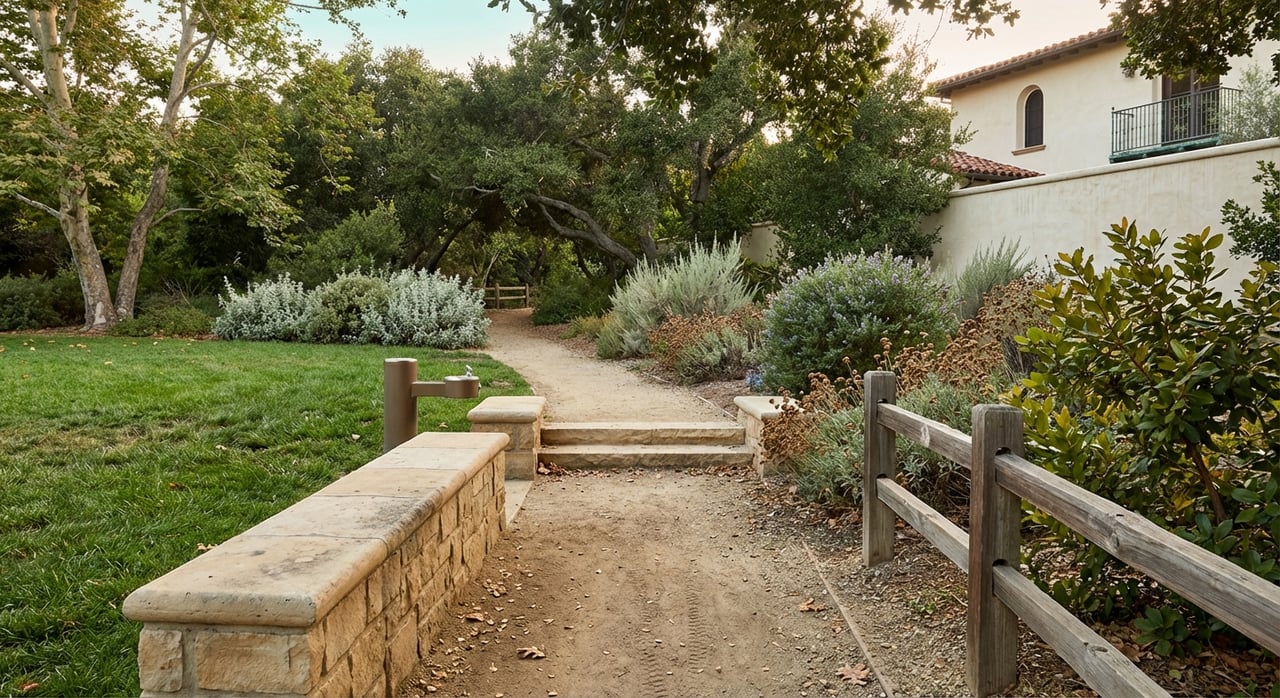
What if your morning run could start on a trail just minutes from your door? In Thousand Oaks, that is a daily reality for many residents. With thousands of acres of protected open space and an extensive trail network, outdoor time becomes part of your routine, not a special trip. In this guide, you will see how the city’s open space shapes daily living, from recreation and community programming to buyer and seller decisions. Let’s dive in.
Thousand Oaks open space at a glance
Thousand Oaks and the broader Conejo Valley conserve roughly 12,000 to 15,500 acres of open space and about 150 to 170 miles of multi‑use trails. Local agencies explain the range comes from how boundaries and management are defined. You can explore trail maps and overview details on the Conejo Open Space site for a current picture of the network. View the official trail system overview.
The Conejo Open Space Conservation Agency (COSCA) manages much of the preserved land in partnership with the Conejo Recreation & Park District (CRPD). COSCA focuses on open space and trails, while CRPD runs parks, community programs, and facilities. Volunteer support and outreach often run through the Conejo Open Space Foundation (COSF).
Signature places residents use most
- Wildwood Regional Park. As the largest contiguous preserve in the area, Wildwood spans roughly 1,700 to 1,765 acres with linked trails and scenic spots like Paradise Falls and Lizard Rock. It is a year‑round favorite for hikers and families. See Wildwood details and trail highlights.
- Los Robles ridgeline. The Los Robles Trail connects Westlake Village through Thousand Oaks to Newbury Park and ties into the Santa Monica Mountains backcountry. Expect long-view ridgelines, neighborhood feeder trails, and true point‑to‑point options. Explore the Los Robles Trail guide.
- Neighborhood trailheads. Areas like Dos Vientos, Conejo Canyons, Ventu Park, and Tarantula Hill feature many local trailheads. If you want to step out for a short loop before dinner, these neighborhood connectors make it easy.
How open space shapes daily routines
Walkable trails make it easy
Feeder paths weave through subdivisions and connect to longer routes on nearby ridges. That design supports real, repeatable habits: early dog walks that start on your street, after‑school hikes, and weekend long‑loop rides. Local agencies emphasize neighborhood access and education, which helps outdoor time become part of everyday life. Check trail connections and maps.
A true multi‑use and equestrian culture
Many trails are multi‑use, and local equestrian centers serve riders of all ages. Facilities like Walnut Grove, Rancho Potrero, and Conejo Creek Equestrian Park support lessons, boarding, and events, making horseback riding a visible part of the local outdoor culture. See CRPD’s equestrian centers.
Health, community, and events outdoors
Public‑health research links access to parks and green space with higher physical activity, lower stress, and stronger social connections. Those benefits show up in Thousand Oaks as regular walks, group fitness meetups, and outdoor education. Review the evidence on parks and health.
CRPD and local partners run community programs throughout the year, including trail education days, summer camps, and volunteer trail work events. With so many parks and open spaces, outdoor gatherings are common and easy to reach.
Neighborhood tradeoffs: trail access and commute
Trailheads and large preserves ring the city’s edges and ridge lines. If fast access to longer backcountry routes is top priority, you may focus on Newbury Park and Dos Vientos in the west, and areas along Lynn Road near Wildwood. If you need quick freeway access and retail convenience, more central neighborhoods can offer shorter drives to shopping while keeping trails a quick ride away. Review local maps to see how neighborhood streets interweave with trail corridors. Start with the regional trail overview.
What it means for buyers and sellers
Pricing and resale near open space
Evidence from multiple studies shows that proximity to well‑maintained parks and green space often correlates with higher home values, though the premium varies by park size, maintenance, views, and market conditions. Typical positive effects are in the single‑digit to low‑double‑digit range in many contexts, but results differ by location. A local comparative market analysis is the best way to estimate the effect for a specific property. See a recent review of park proximity and value.
Wildfire readiness for open‑space adjacency
The Woolsey Fire in 2018 showed that large wildfires can impact this region. If you are considering a home near open space, plan for defensible‑space upkeep, brush management, and insurance review. Local programs, such as chipper events and outreach, support residents in reducing fuel loads. Read Woolsey Fire incident details.
Easements, access, and maintenance
Some preserved areas are publicly owned or sit under conservation easements. If a property borders open space, confirm easement boundaries, fencing responsibilities, and whether nearby foothills permit public access. Official maps and parcel records clarify who maintains what and how trails interface with private lots. Find open‑space management resources.
Protections and future development
Thousand Oaks has a long history of voter‑backed preservation policies that create extra steps for changing open‑space designations. This framework adds predictability for residents who want stability near preserved land. Learn about local voter protections and planning context.
Quick checklist before you tour
- Proximity: How close is the nearest neighborhood trailhead, and does it connect to longer ridgelines you will use often?
- Use patterns: Visit at different times to gauge trail traffic, parking, and any activity near the trailhead.
- Views and privacy: Do you want canyon or ridgeline views, and how do those sightlines affect privacy and maintenance?
- Wildfire planning: Budget for defensible space and verify insurance options for homes near open space. Review Woolsey Fire context.
- Equestrian needs: If riding is part of your lifestyle, confirm proximity to facilities and trailer access. See local equestrian centers.
- Commute tradeoffs: Test drive your route during peak times, especially if you prioritize both trail access and freeway proximity.
- Easements: Ask for parcel and easement records to understand responsibilities along preserved boundaries. Start with COSCA resources.
Thinking about a move?
If open‑space access is high on your wish list, Thousand Oaks offers a rare blend of neighborhood trailheads, scenic ridgelines, and community programming that keeps people outside. Whether you are weighing views and privacy, wildfire readiness, or the resale upside of a trail‑adjacent address, local expertise matters. For a tailored search and a clear pricing strategy, schedule a conversation with Rodney Johnson II.
FAQs
How much open space and how many trails are in Thousand Oaks?
- Local agencies report about 12,000 to 15,500 acres of preserved open space and roughly 150 to 170 miles of multi‑use trails. See the trail system overview.
Which Thousand Oaks areas offer the fastest trail access?
- Western neighborhoods such as Newbury Park and Dos Vientos, and areas along Lynn Road near Wildwood, place you close to long ridgeline routes and canyon access. Explore Wildwood highlights.
Does living near a park increase home value in Thousand Oaks?
- Studies show many markets see a modest positive premium near well‑kept parks, but effects vary; a local CMA is the best way to quantify it. Review the research.
What wildfire factors should I plan for near open space?
- Budget for defensible‑space maintenance, verify insurance options, and review regional fire history such as the Woolsey Fire. Read incident details.
Is horseback riding common and where are facilities located?
- Yes. The area supports a visible equestrian culture with centers like Walnut Grove, Rancho Potrero, and Conejo Creek Equestrian Park. See equestrian facilities.
How do local protections affect development near open space?
- Thousand Oaks’ voter‑backed policies add steps for changing open‑space designations, creating more predictability for nearby property owners. Learn about local voter protections.