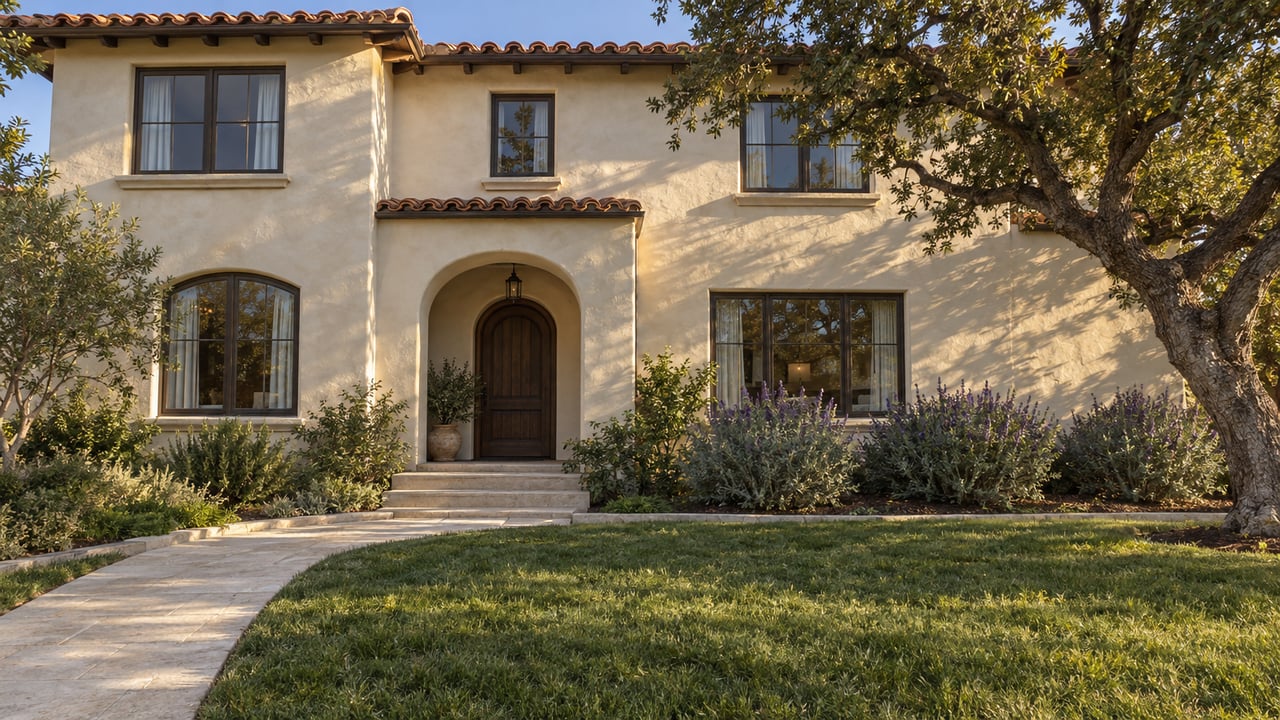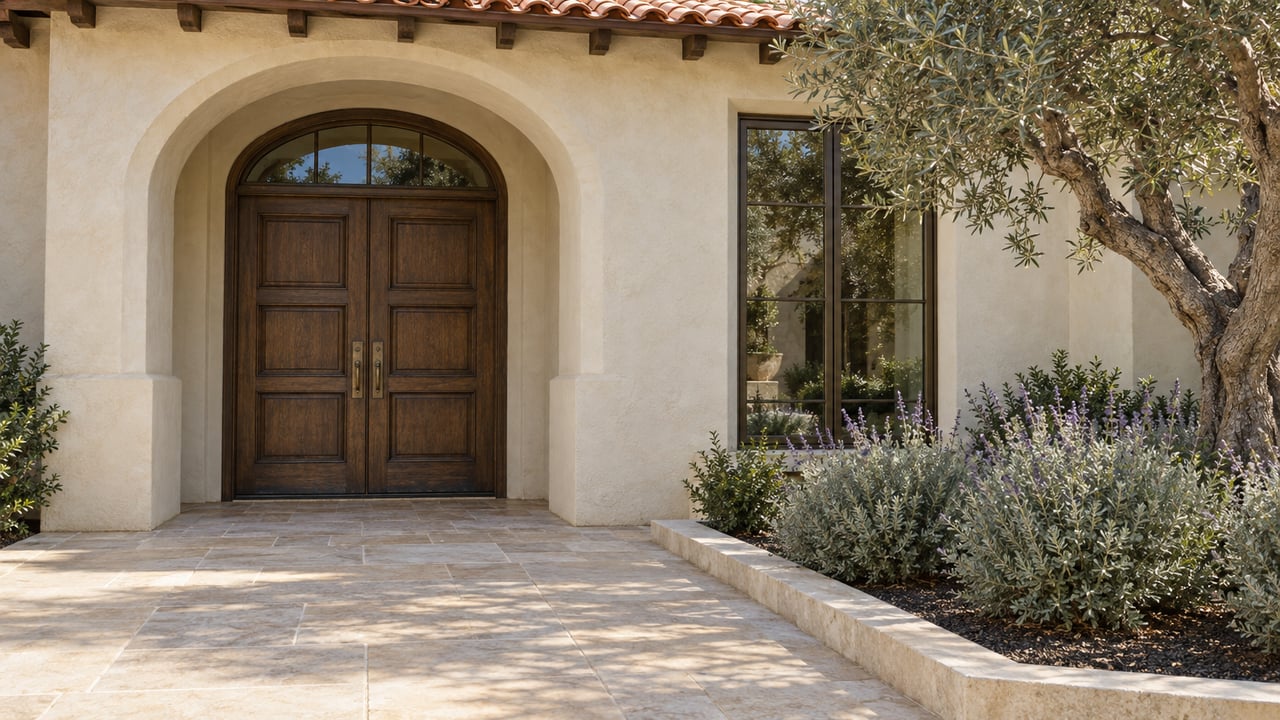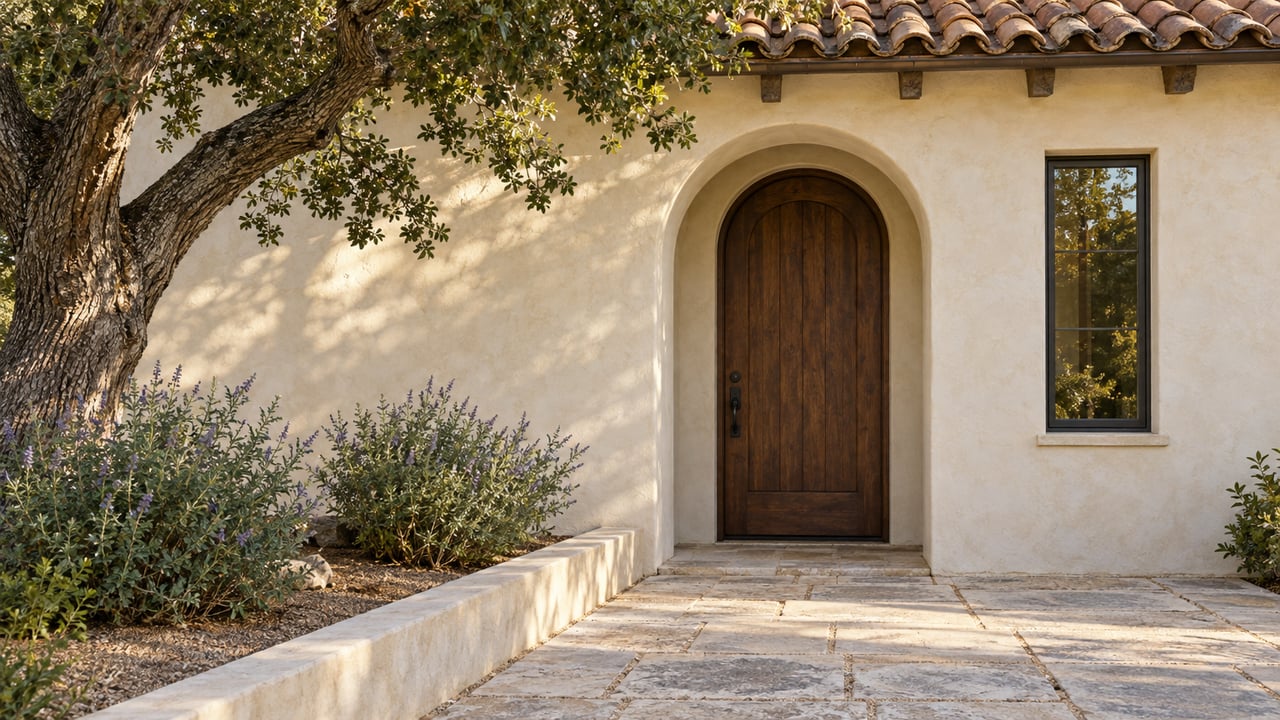
Picture two sellers with nearly identical six-bedroom estates, each accepting an offer at $6 million this month. Same square footage, same finish level, same closing timeline. One seller wires roughly $240,000 more than the other. Neither home is nicer. Neither seller negotiated better. The difference sits entirely in where the property line falls relative to a municipal boundary that has nothing to do with school districts, HOAs, or ZIP codes.
That boundary runs along the edge of Calabasas, and it is worth more to a seller here than any kitchen renovation ever will be.
A City Line Nobody Draws on a Listing Sheet
Calabasas is its own incorporated city. It has its own council, its own municipal code, and its own jurisdictional line that stops before it ever touches the City of Los Angeles. That distinction sounds like a civics footnote until a seller crosses the $5.4 million mark, because Measure ULA, the transfer tax Angelenos call the mansion tax, only applies inside Los Angeles city limits. It does not reach Calabasas, Hidden Hills, Beverly Hills, or Santa Monica, because none of those cities are part of the City of LA.
Drive a few miles south into Tarzana or east into Chatsworth, and the calculus flips. Both are neighborhoods inside the City of Los Angeles, which means a seller there closing above the same threshold owes the tax in full. A Calabasas estate seller at that price point simply does not.
The current thresholds, set by the Los Angeles Office of Finance, took effect for any transaction closing after June 30, 2026: 4 percent of the full sale price once a sale crosses $5.4 million, and 5.5 percent once a sale clears $10.9 million. Those figures adjust every July 1 for inflation, so they will move again next summer. What will not move is which side of the city line a given Calabasas address sits on.
Here is what that gap looks like at three price points, using the current thresholds:
| Sale Price | Inside City of LA | In Calabasas |
|---|---|---|
| $5,000,000 | No ULA tax (below threshold) | No ULA tax (exempt regardless of price) |
| $6,000,000 | $240,000 (4%) | $0 |
| $11,000,000 | $605,000 (5.5%) | $0 |
The Cliff Nobody Warns You About
As Los Feliz Living explains, the tax is not marginal. Once a sale crosses $5.4 million, the 4 percent applies to the entire sale price, not just the amount above the line. That is what makes the threshold a genuine cliff rather than a slope. A Tarzana estate that closes at $5,399,000 pays the standard documentary transfer tax and nothing more. The identical home closing two dollars higher, at $5,400,002, owes 4 percent of the full price. The difference between those two outcomes is well over $200,000, and it has nothing to do with buyer demand or agent skill. It is a function of which side of a single number the accepted offer lands on.
For a Calabasas seller, that cliff simply does not exist. Pricing strategy can focus entirely on comparable value and market timing, without a six-figure tax penalty waiting at a specific dollar amount. That freedom matters most in the neighborhoods where it is least visible on a listing sheet: guard-gated communities where offers routinely land in the range where the cliff would otherwise bite.
A Second Line Just Moved: CRMLS's New Privacy Option
Jurisdiction is not the only mechanism that changed shape recently. How a Calabasas seller controls exposure once a listing goes live shifted again this summer, and most explainers on off-market strategy have not caught up.
For years, the industry operated under the National Association of Realtors' Clear Cooperation Policy: any property publicly marketed had to be submitted to the MLS within one business day. In March 2025, NAR introduced a companion policy, Multiple Listing Options for Sellers, giving individual MLSs the discretion to create delayed marketing categories that keep a listing off IDX feeds for a period the local market sets. California Regional MLS, the system that actually covers Calabasas listings, considered that option and declined it. Its board argued that the existing Coming Soon status already accomplished the same goal, and that a new category would be redundant given how widely CRMLS data already syndicates through broker feeds.
Then, in March 2026, CRMLS began automatically pushing Coming Soon listings into IDX, the same public feeds that power the portals every buyer scrolls through. That erased the quiet window sellers had relied on for years. CRMLS's response came at the end of June 2026: a new Limited Exposure option inside Coming Soon status, letting a seller's agent switch a specific listing's internet display back to "no" while it remains in that pre-market phase.
What that option actually allows, in practice:
- The listing stays visible to other MLS participants and appears in broker VOW feeds, so cooperating agents can still find it.
- It does not appear on IDX-fed portals or on Realtor.com, which does not use a VOW feed.
- It can run for up to 21 days without accruing days on market, but no showings are permitted until the listing goes Active.
- Once switched to Active, it cannot return to Coming Soon or Limited Exposure.
For a seller who wants true pre-marketing privacy beyond that 21-day window, the older Registered status, sometimes called an office exclusive, is still the mechanism: the property never enters the public MLS at all, a signed seller instruction form is required, and showings are limited to the listing brokerage's own buyer pool rather than the full agent community. That is a meaningfully narrower buyer pool than Limited Exposure Coming Soon, and it is the tool that fits a genuinely confidential sale rather than a brief pre-market pause.
It is worth being direct about where this practice sits within the industry. eXp Realty, Rodney Johnson Team's brokerage, was among the firms that publicly supported keeping listings inside MLS compliance rather than routing them entirely around the system. That stance shapes how off-market work is done here: through the compliant tools CRMLS actually offers, disclosed and documented, rather than through informal arrangements that skip MLS filing altogether.
Why This Matters More at The Oaks Than Almost Anywhere Else
Both mechanisms concentrate their impact in the same handful of Calabasas neighborhoods: The Oaks, Mountain View Estates, and the hillside streets off Las Virgenes Road, where estate pricing routinely clears $5 million and inventory stays thin. Active luxury listings across the 91302 and 91301 ZIP codes typically number fewer than 30 at any given time. In a pool that small, a seller's decision about exposure timing and tax exposure carries more weight than it would in a deeper market, because there are fewer comparable sales to hide behind and fewer buyers cycling through at any moment.
That scarcity is also why a ULA-driven pricing decision in Tarzana or Chatsworth can ripple through a Calabasas seller's thinking, even though the tax itself never touches them. A City of LA seller pricing just under $5.4 million to avoid the cliff effectively caps the visible comparable set at that number, which can quietly anchor buyer expectations across the wider San Fernando Valley corridor, Calabasas included, even though the mechanism producing that behavior has no legal reach here.
What This Means If You're Pricing an Estate This Year
The practical takeaway is not that Calabasas sellers should ignore Measure ULA. It is that pricing conversations here should start from a materially different baseline than the one governing a comparable estate a few miles away in the City of LA, and that the privacy tools available at CRMLS today are not the ones most sellers assume are still standard. A pricing strategy built on last year's Coming Soon rules, or on the assumption that ULA applies uniformly across the Valley, is working from an outdated map.
Anyone weighing a sale above $5 million this year benefits from walking through both mechanisms before a listing agreement is signed, not after. A confidential market consultation is the right venue for that conversation, particularly if privacy during the pre-market phase matters as much as the final number.
A Few Direct Questions
Does the ULA exemption extend to other cities the team serves? Yes. Any city that is separately incorporated and not part of the City of Los Angeles falls outside Measure ULA's reach, the same way Calabasas does. The tax is tied strictly to jurisdiction, not to price point or property type.
Could Measure ULA disappear before I sell? A statewide ballot measure backed by the Howard Jarvis Taxpayers Association, which would cap local transfer taxes and directly target ULA, is headed to California's November 2026 ballot. Nothing has changed yet, and the outcome is not something a pricing strategy should be built around in the meantime.
If you are weighing a sale above the current ULA thresholds, or want a clear read on how Limited Exposure Coming Soon or a Registered listing might fit your timeline, schedule a confidential market consultation with Rodney Johnson II. Thirty-six years of watching this exact boundary shape outcomes across the Conejo and San Fernando valleys means the conversation starts with the map, not the listing photos.
This article is general information, not legal, tax or financial advice. Consult a qualified professional about your situation.