Are you eyeing a home in Westlake Village and wondering how the HOA will affect your budget and day-to-day life? You’re not alone. Many neighborhoods here are part of a homeowners association, and the rules, fees, and approval processes can feel complex at first. In this guide, you’ll learn what typical HOA dues cover, how approvals work, which amenities drive costs, and how to review CC&Rs with confidence. Let’s dive in.
How HOAs work in Westlake Village
Westlake Village includes master-planned neighborhoods, gated communities, and condo complexes where HOAs manage shared spaces, amenities, and community standards. Most associations are run by a volunteer board elected from homeowners, and many work with a professional management company.
In California, HOAs operate under the Davis-Stirling Common Interest Development Act. Your community’s CC&Rs, bylaws, and rules implement the specifics within that framework. Westlake Village also spans parts of Los Angeles County and borders Ventura County, so city and county rules affect permits and utilities, while HOA rules handle community standards.
Expect to see core documents such as CC&Rs, bylaws, architectural guidelines, a current budget, reserve study, and board meeting minutes. An Architectural Review Committee typically handles exterior change requests, while the board oversees budgeting, rulemaking, and enforcement.
Typical HOA fees and what they cover
HOA dues vary by community, property type, size, and amenities. Use these ranges as planning guides and verify exact amounts for any property you consider.
Monthly dues ranges
- Condominiums and small multifamily: roughly $200 to $700 per month.
- Single-family homes with limited amenities: often $150 to $500 per month.
- Gated, lakeside, or full-amenity single-family communities: several hundred to $1,000+ per month.
- Luxury or resort-style master associations: dues can exceed $1,000 per month.
What dues usually include
- Common area maintenance like landscaping, private streets, and lighting
- Amenities such as pools, clubhouses, gyms, and sports courts
- Security services for gated entries and patrol
- Utilities for common areas, including water for landscaping and trash service when included
- Management, master insurance for common areas, legal and accounting
- Reserve contributions to repair or replace major components over time
Special assessments and reserves
Special assessments are one-time charges used for big-ticket repairs or unexpected costs. Review the association’s recent financials and meeting minutes to see if assessments are frequent. Ask for the latest reserve study and the current percent-funded level. A low reserve balance can mean higher risk of near-term assessments.
Transfer, move-in, and other fees
At closing, some associations charge resale or transfer processing fees. Condos and gated communities may also require move-in deposits or gate access fees. Amounts vary. Always request a current fee schedule before you remove contingencies.
Insurance considerations
The HOA’s master policy covers common areas and may cover parts of the building exterior depending on the policy type. Unit owners should plan for an HO-6 policy to cover interior finishes, personal property, and possible loss assessment coverage. Earthquake coverage is typically not included in the master policy in California, so consider specialty options if that risk matters to you.
Taxes and special districts
Some newer developments carry separate special taxes, such as Mello-Roos from community facilities districts. These appear on the property tax bill and are separate from HOA dues. Review tax records and title disclosures to confirm any special assessments.
Rules and approvals you will encounter
Before you write an offer, set expectations for how the community handles use rules and exterior changes.
Key CC&R topics to review
- Use rules, including home-based businesses and rental limits
- Pet policies, including size or number limits
- Parking and guest parking policies
- Landscaping and irrigation standards
- Who maintains items like fences, roofs, and driveways
- Architectural standards and prohibited exterior changes
- Fines, enforcement, and your hearing rights
Architectural change process
Most exterior work requires written approval. You submit an application with plans or specs, then the Architectural Review Committee or board reviews your plans under the community’s guidelines. Many HOAs publish an expected review window, often 30 to 60 days. Commonly regulated items include exterior paint, roofing materials, windows and doors, solar panels, fencing, hardscapes, major landscaping, and tree removal.
Solar rights in California
State law limits an HOA’s ability to block solar energy systems. Associations can set reasonable rules, but they cannot impose restrictions that significantly increase costs or reduce efficiency. Review the HOA’s solar guidelines along with state protections so you know the process and timing.
Rentals and leasing
Some associations cap the percentage of rentals, set minimum lease terms, or require owner registration of tenants. If you plan to rent your home now or later, verify these restrictions early and confirm whether any waitlist exists.
Enforcement and dispute resolution
HOAs have enforcement tools that can include fines, suspension of privileges, and liens for unpaid assessments. California law provides owners with notice and hearing rights. Many associations use internal dispute resolution and mediation before litigation, which can help resolve issues faster and with less cost.
Amenities and how they affect costs
Amenities shape both your lifestyle and your monthly dues. In Westlake Village, you’ll often see:
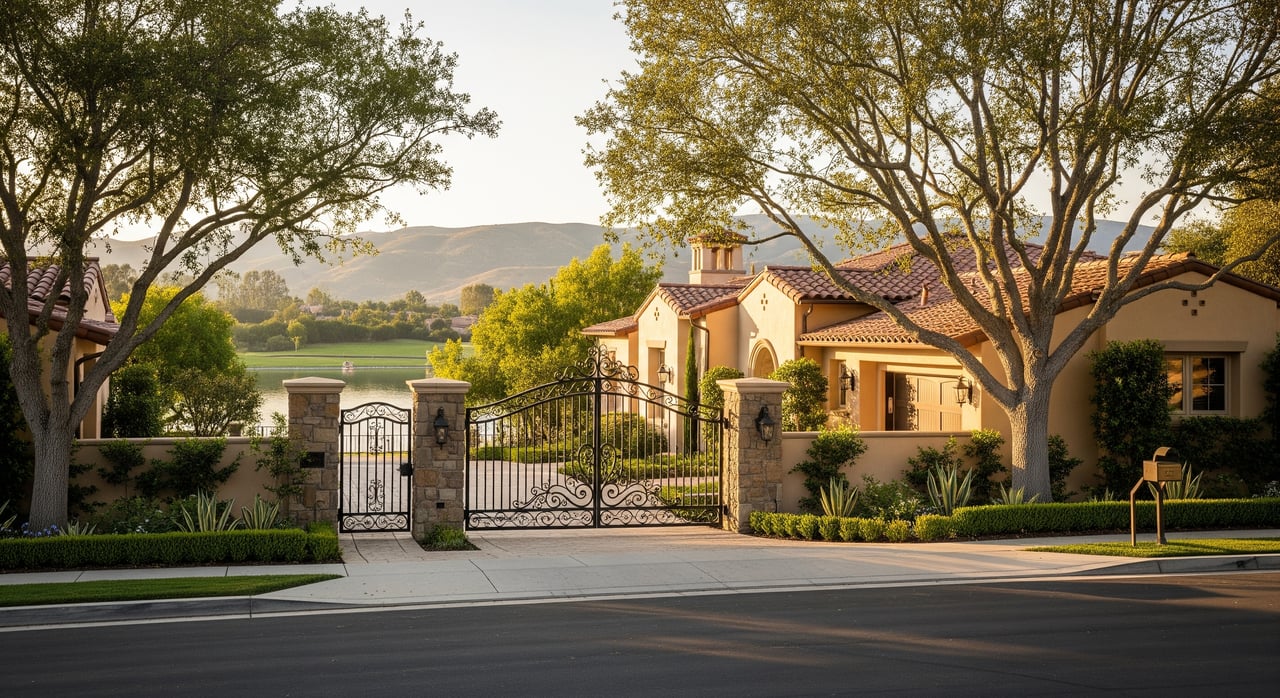
- Lakeshore access, walking paths, and private docks in certain neighborhoods
- Gated entrances and private security patrols
- Pools and spas, clubhouses, fitness centers, and event rooms
- Tennis and pickleball courts
- Landscaped parks, walking trails, and tot lots
- Guest parking lots or covered parking in multi-unit communities
More amenities generally mean higher dues and larger reserve needs. Well-maintained, well-used amenities can support resale value, while deferred maintenance can create pressure for special assessments. When touring, look closely at the condition of pools, docks, gates, and landscaping to gauge upkeep.
How to review an HOA before you buy
A thorough review of the HOA protects your budget and avoids surprises. During your offer and contingency period, request the full disclosure package and take time to read it.
Key documents to request
- CC&Rs, bylaws, articles, and current rules
- Current budget and recent financial statements
- Latest reserve study and reserve funding statement
- Board meeting minutes from the past 12 to 24 months
- Resale disclosure packet required in California
- Master insurance policy summary with deductibles
- Litigation disclosures and any open claims
- Delinquency report if available
- Architectural guidelines and recent ARC decisions
- Current schedule of all fees and deposits
Red flags to watch
- Low reserves or a reserve study showing large unfunded needs
- Recent or repeated special assessments
- High owner delinquency rates
- Significant or ongoing litigation
- CC&Rs that conflict with your plans, such as strict rental caps
- Evidence of poor maintenance despite high dues
Smart questions to ask
- What is the current monthly assessment and when was it last increased?
- Is there a current reserve study and what percent funded is it?
- Any planned capital projects or pending special assessments?
- What is the ARC process and typical turnaround time?
- What does the master insurance cover and where does owner coverage begin?
- Are there rental caps or minimum lease terms?
- What are the most common enforcement issues and fines?
Budgeting checklist for buyers
- Monthly HOA dues and what utilities, if any, are included
- HO-6 insurance estimate and optional earthquake coverage
- A cushion for potential special assessments based on past history
- HOA transfer and closing fees
- Any Mello-Roos or special district taxes
- Move-in deposits, parking fees, or amenity pass fees
On-site walkthrough tips
Walk the common areas with a critical eye. Check landscaping, building exteriors, roofs, gates, lighting, signage, and pool condition. Ask a board member or manager about upcoming repairs and timelines. Talk to a few neighbors about noise, parking, and how consistently the rules are enforced. Small observations can reveal big budget trends.
Westlake Village nuances to know
Because Westlake Village touches multiple local jurisdictions, permitting and municipal services can differ from one neighborhood to the next. HOA rules apply across the community but must align with local building codes. If you plan exterior changes or additions, confirm whether you will need both HOA approval and city or county permits, and sequence them correctly.
Next steps
If you’re considering a home in Westlake Village, schedule time to review the HOA package, reserve study, and fee schedule before you remove contingencies. A short meeting with the community manager can clarify approval timelines and any planned projects.
When you are ready for a neighborhood-level walkthrough or a second set of eyes on the documents, connect with Rodney Johnson II for local guidance that fits your goals.
FAQs
What are typical HOA dues in Westlake Village?
- Dues vary by property type and amenities, with condos often around $200 to $700 per month, single-family communities from about $150 to $500, and amenity-rich or luxury enclaves reaching $1,000+ per month.
What do HOA dues usually include for buyers?
- Most dues cover common area maintenance, amenities, security, management, master insurance for shared areas, and reserve contributions, with some utilities for common areas included.
How long do exterior approvals take in HOAs?
- Many associations set review windows of about 30 to 60 days, but you should confirm timelines and submittal requirements in the CC&Rs and architectural guidelines.
Can an HOA block solar panels in California?
- HOAs cannot prohibit solar energy systems but may set reasonable rules that do not significantly raise costs or reduce efficiency; review community guidelines alongside state protections.
What is a special assessment and why does it happen?
- It is a one-time charge for major repairs or unexpected expenses; low reserves, aging components, or large projects can trigger an assessment.
Do any Westlake Village homes have Mello-Roos taxes?
- Some newer planned developments can include special district taxes such as Mello-Roos, which appear on the property tax bill and are separate from HOA dues.
What insurance do condo owners need in an HOA?
- You typically need an HO-6 policy for interior finishes, personal property, liability, and potential loss assessment coverage, plus separate earthquake insurance if desired.