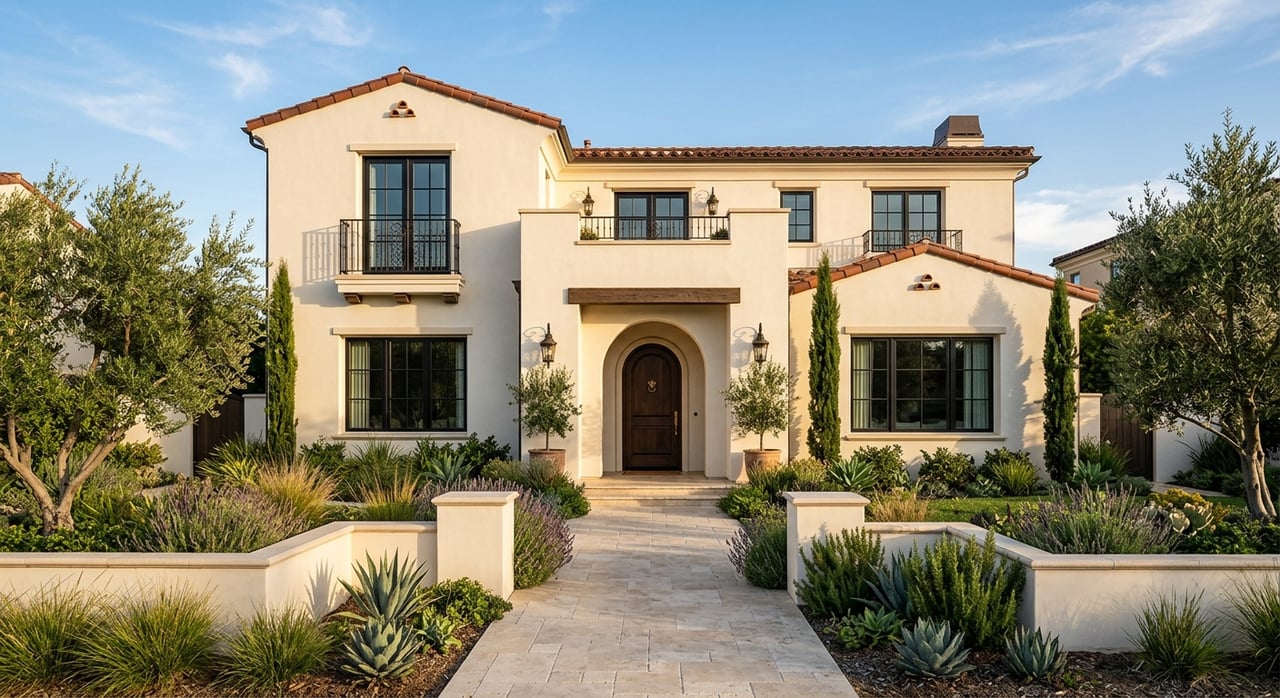
If you are trying to picture what day-to-day life in Simi Valley actually feels like, the answer is less about one headline attraction and more about the rhythm of daily living. You get a city with a strong suburban base, broad access to parks and trails, a casual dining scene, and community events that keep the calendar active without feeling overwhelming. For buyers and sellers alike, that combination matters because it shapes how people spend their time, connect locally, and choose where they want to put down roots. Let’s dive in.
Why Simi Valley Feels Established
Simi Valley sits in southeast Ventura County, next to the San Fernando Valley and about 37 miles northwest of downtown Los Angeles. Highway 118 runs through the city, and the city notes access to local bus service as well as nearby rail and airport options. That location helps explain why many buyers compare Simi Valley with both Ventura County and nearby San Fernando Valley communities.
The city has a settled, residential feel that shows up in the data. The Census reports a 72.9% owner-occupied housing rate, a median household income of $122,081, and a mean commute time of 27.1 minutes. In practical terms, that points to a community where many residents are established, commute is part of the routine, and homeownership plays a major role in the local character.
Parks Shape Everyday Life
One of the clearest signs of Simi Valley’s lifestyle is the scale of its recreation system. The Rancho Simi Recreation and Park District reports 8,114 acres under its ownership, including about 540 acres of developed park sites, with the remainder made up of trails, open space, or undeveloped park land. The city also highlights 39 parks, 3 golf courses, 1 public swimming pool, 1 performing arts center, 2 movie theaters, and 1 library.
That matters because it means outdoor access is not just an occasional perk. In Simi Valley, parks and open space are part of the normal weekly routine. Whether you want a place to walk, spend time outside, or fit in a quick afternoon outing, the local layout supports it.
Community Parks for Daily Use
Several parks stand out as part of everyday living in Simi Valley. Rancho Simi Community Park and Rancho Tapo Community Park are well-known examples that help anchor local recreation. These are the kinds of places that support ordinary routines, from casual outdoor time to planned weekend activities.
Strathearn Historical Park and Museum adds another layer to the park experience. It brings together outdoor space with local history, which can make a simple visit feel a little more connected to the city itself. Corriganville Park is another recognizable local option that contributes to the broader outdoor mix.
Trails and Open Space Access
If you value walking, hiking, or spending time in open space, Simi Valley offers a strong trail network. The research materials point to Long Canyon Trail and Arroyo Simi Equestrian Trail as part of the day-to-day outdoor experience. The park district also highlights Mt. McCoy Trail, North Ridge Trail, and China Flat Trail.
This variety gives residents more than one kind of outdoor setting. Some trails fit a quick routine, while others feel better for a longer weekend outing. That range helps make outdoor living part of normal life instead of a special occasion.
Greenway Improvements Add Connectivity
The Arroyo Simi Greenway project is also worth noting because it is meant to extend trail access and better connect parks and amenities. Plans include trailheads, rest areas, and interpretive elements. Over time, that kind of improvement can make the city feel even more connected for residents who enjoy getting around on foot or by trail.
Dining in Simi Valley Is Casual and Varied
Simi Valley’s dining scene appears to match its broader lifestyle. Visit Simi Valley says the city has more than 300 restaurants, with choices ranging from farmers-market produce and neighborhood food trucks to a busier town center dining mix. That points to a practical, everyday restaurant landscape rather than one single dining district that defines the city.
For you as a resident, that usually means convenience and variety. You are more likely to find familiar local options spread throughout the city than feel tied to one central restaurant corridor. That can make daily errands, casual meetups, and last-minute meal plans easier to manage.
Everyday Favorites and Local Variety
The tourism materials show a wide range of examples. Ali Baba’s Cafe offers Mediterranean food, Urbane Cafe is known for sandwiches and salads, and Sushi Tanaka represents a chef-curated sushi option. Makenna Koffee Co. adds a coffee-and-baked-goods stop that fits naturally into a morning routine.
For casual dining, The Junkyard Cafe and Yolandas Mexican Cafe reflect the neighborhood restaurant side of the city. Kalaveras brings a more modern Mexican bar-and-restaurant feel, while Nectar of the Dogs Wine adds a tasting-room setting. Taken together, these examples suggest that Simi Valley supports a mix of quick stops, casual meals, and more social evening outings.
Community Life Feels Active, Not Overbooked
A big part of neighborhood feel comes from how often residents have reasons to gather. In Simi Valley, the event calendar looks active but not crowded. That balance can be appealing if you want a city that feels engaged without demanding constant participation.
The Rancho Simi Recreation and Park District highlights recurring events such as Music in the Park, ArtsFest, Junk in the Trunk, Splash and Dash, and SnowFest. Additional seasonal events include Apricot Festival, Heritage Halloween, Dia de los Muertos, and Movies in the Park. These kinds of events help build a sense of local routine across the year.
Local Involvement Has a Practical Side
Simi Valley’s civic structure also contributes to its neighborhood feel. The city organizes residents into four Neighborhood Council districts, with monthly public meetings and a direct feedback role on planning, safety, and services. That setup gives residents a formal way to stay involved in issues that affect daily life.
City calendars also include practical workshops such as native-plant landscape training, drip irrigation maintenance, garden design seminars, and e-bike safety education. That detail matters because it suggests community life is not only social. It is also hands-on and locally organized.
Neighborhood Feel Varies by Area
No city feels exactly the same block to block, and Simi Valley is no exception. The research suggests a generally suburban, outdoors-oriented, and locally organized character, but it also points to different residential pockets rather than a single uniform pattern. For buyers, that is an important reminder to look beyond a citywide summary.
Wood Ranch is the clearest official example of how one area can have a distinct identity. According to the city’s specific plan, Wood Ranch combines different housing types with public and private community facilities, a village identity, and significant open space. The plan also states that about 75% of the ranch is preserved in some form of open space and that village neighborhoods are buffered from major roadways to help preserve a quiet environment.
That does not mean every part of Simi Valley feels like Wood Ranch. It does mean the city includes areas with their own planning logic, layout, and atmosphere. When you are evaluating homes, that kind of difference can shape how convenient, connected, or quiet a particular area feels on a daily basis.
What This Means for Buyers
If you are considering a move to Simi Valley, the biggest lifestyle takeaway is consistency. The city offers a strong suburban framework, broad park access, a large casual dining base, and community events that support local connection. For many buyers, that translates to a place where routines can feel stable and flexible at the same time.
You may want to focus your search around the habits that matter most to you. That could mean easier access to parks and trails, proximity to dining options you would use often, or a neighborhood pocket that better matches your preferred pace. Looking at those daily patterns can tell you as much as square footage or finishes.
What This Means for Sellers
If you own a home in Simi Valley, these lifestyle features are part of what makes the city marketable. Buyers are often drawn not only to the home itself, but also to the everyday experience around it. Parks, trails, dining variety, and a steady community rhythm all help support that story.
The key is presenting your property in the context of how people live. A home near outdoor amenities may appeal to buyers who want easier recreation access, while a property in a quieter residential pocket may speak to buyers looking for a more settled setting. Clear local positioning can make your home feel more relevant to the right audience.
If you are weighing a move in or around Simi Valley, working with a team that understands neighborhood-level differences can make your search or sale much more precise. For tailored guidance on Simi Valley and nearby communities, connect with Rodney Johnson II.
FAQs
What is everyday life like in Simi Valley?
- Everyday life in Simi Valley is generally suburban, outdoors-oriented, and locally organized, with strong park access, casual dining choices, and recurring community events.
How many parks are in Simi Valley?
- The city highlights 39 parks, and the Rancho Simi Recreation and Park District reports 8,114 acres that include developed parks, trails, open space, and undeveloped park land.
What kinds of outdoor activities are available in Simi Valley?
- Simi Valley offers community parks, golf courses, a public swimming pool, and trails such as Long Canyon Trail, Arroyo Simi Equestrian Trail, Mt. McCoy Trail, North Ridge Trail, and China Flat Trail.
What is the restaurant scene like in Simi Valley?
- Visit Simi Valley says the city has more than 300 restaurants, with options ranging from coffee shops and casual cafes to neighborhood Mexican food, sushi, Mediterranean dining, and tasting-room experiences.
Do different neighborhoods in Simi Valley feel different?
- Yes. The research points to a citywide suburban feel overall, but also notes different residential pockets, with Wood Ranch serving as a clear example of an area with its own planning identity and significant open space.
How can buyers evaluate neighborhoods in Simi Valley?
- Buyers can compare areas based on daily lifestyle factors such as park access, trail proximity, dining convenience, road access, and the overall pace and layout of each residential pocket.