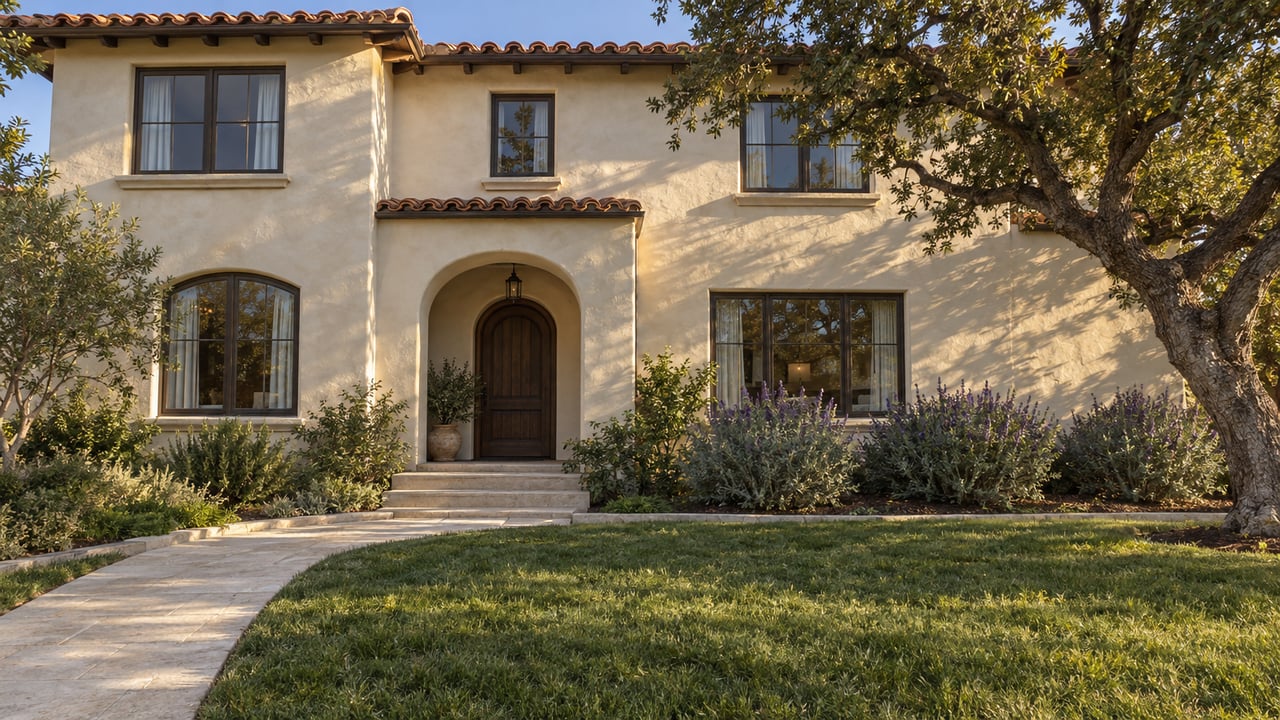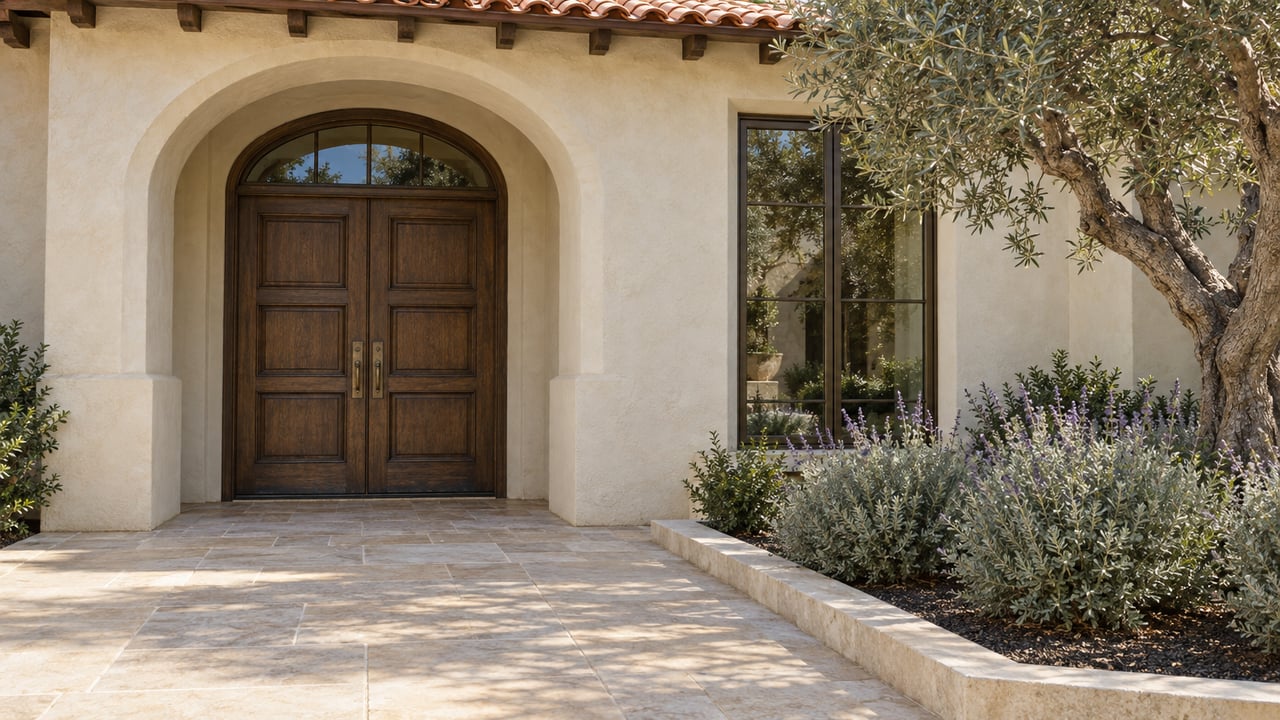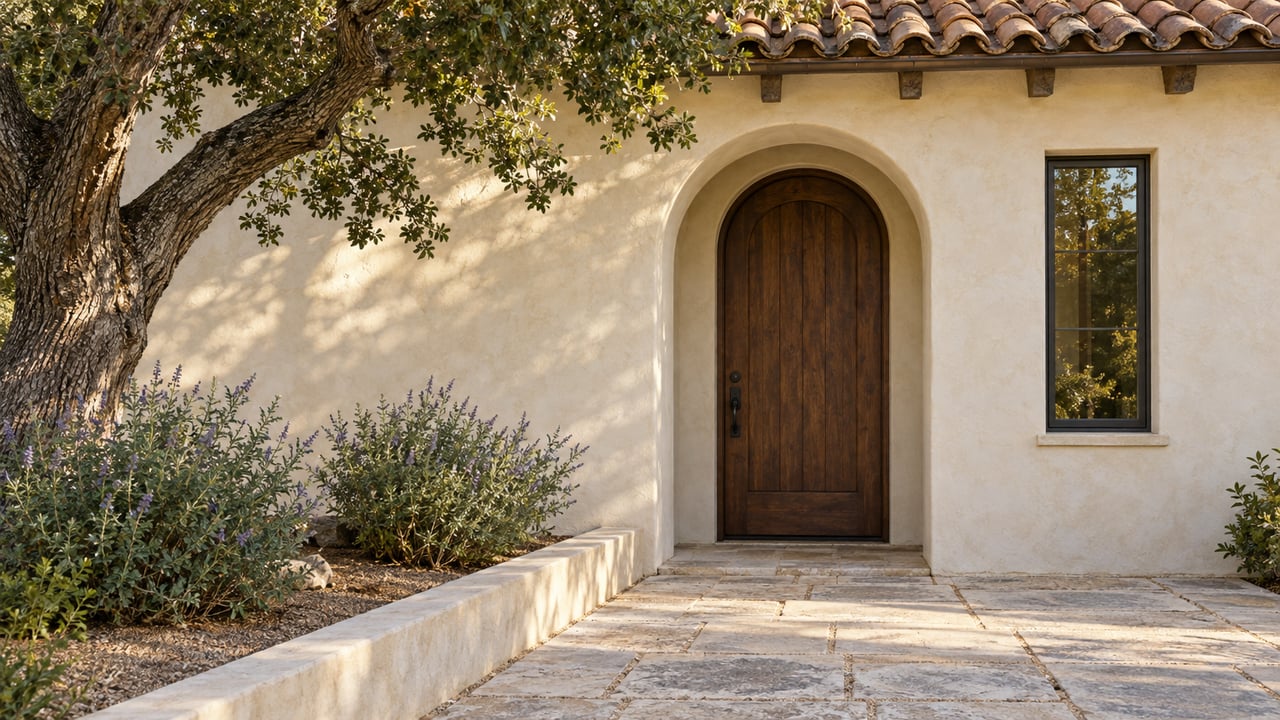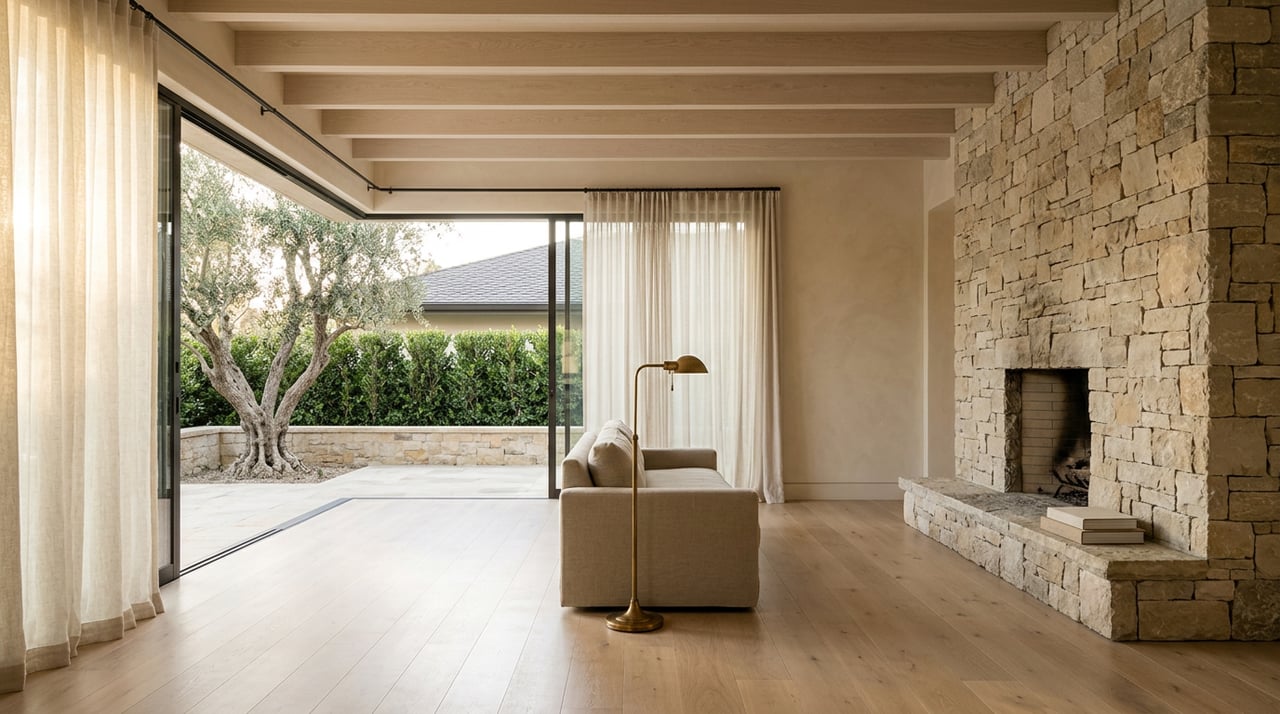
Looking for more privacy, more structure, and a little more separation from through-traffic? That is often what draws buyers to Calabasas gated communities in the first place. If you are weighing a gated home against a non-gated option, it helps to know what daily life, rules, costs, and access really look like before you make an offer. Let’s dive in.
Why gated living stands out in Calabasas
Calabasas is a largely residential city with about 9,200 housing units as of 2020, and more than three-quarters of its housing stock is single-family, either attached or detached. The city’s layout is also shaped by hillside terrain and a suburban edge setting, which helps explain why you see a mix of private gated enclaves, traditional residential streets, and neighborhoods near open space.
That setting matters because gated living in Calabasas is not only about image or privacy. The city’s 2030 General Plan places a strong focus on open space, recreation, and safety, while also planning for hazards such as fire, floods, earthquakes, and landslides. For you as a buyer, that means the gated lifestyle is part of a broader local framework shaped by land, access, and long-term planning.
What gated communities usually include
In California, many gated neighborhoods are common interest developments, often called CIDs. When you buy in a CID, membership in the homeowners association is automatic, and the community is governed by CC&Rs, bylaws, operating rules, assessments, and architectural standards.
In practical terms, that means a gated neighborhood often operates like a small private community with its own systems and expectations. Planned developments commonly include private streets and shared amenities such as pools, clubhouses, lakes, or nature areas, depending on the community.
A local example helps make this real. In Vista Pointe, the HOA describes two primary entrances, a resident transponder lane, a gate area with 24-hour guards and surveillance cameras, and resident-only recreation areas. That gives you a good sense of how access control and private amenities can work in a Calabasas gated setting.
What everyday life can feel like
The biggest day-to-day benefit is usually controlled access. Instead of open neighborhood circulation, you may have guardhouse procedures, guest entry protocols, resident transponders, and streets that see less outside traffic.
That can create a calmer internal feel, but it also comes with more structure. In communities like Vista Pointe, recreation rules can limit court use to residents or owners, allow guests only when a resident host is present, and set specific hours and conduct standards. If you value predictability, that may feel like a plus. If you prefer flexibility, it is worth looking closely at the rules before you commit.
HOA rules to expect before you buy
One of the most important things to understand is that HOA dues are not simply paying for a gate. Association assessments typically support daily operations as well as long-term reserves for repairs and replacement of common components such as pavement, roofs, or other shared infrastructure.
California’s Department of Real Estate also notes that reserve studies are meant to estimate the cost, remaining life, and funding needs of major common-area components. That is why a community with polished common areas and strong upkeep may have higher dues than you expected. The monthly number often reflects both current services and future maintenance planning.
You should also expect rules that go beyond access and amenities. Depending on the community, there may be architectural review requirements, guest policies, parking limits, leasing restrictions, and use rules for common areas. Some communities may also require tenants to acknowledge and follow association rules if the property is later rented.
Budgeting for dues and disclosures
Monthly dues in Calabasas gated communities can vary widely because service levels vary widely. Some associations collect assessments monthly, while others may collect on a quarterly or annual schedule.
Before closing, California Civil Code Section 4525 requires sellers in common-interest developments to provide key association disclosures. These include governing documents, statements of regular and special assessments, unpaid charges, and notices of unresolved rule violations, among other required items.
For you, that means a smart gated home search should go beyond the home itself. You will want to review the CC&Rs, operating rules, budget, reserve information, and any pending or recent special assessments. This is one of the best ways to understand whether a community is financially stable and whether its rules match your lifestyle.
Privacy and safety: what a gate does and does not do
A gate can offer access control, a sense of privacy, and reduced through-traffic. Those are real lifestyle features, and for some buyers, especially privacy-oriented buyers, they can be a major draw.
At the same time, gates do not replace emergency planning. Calabasas advises residents to know their evacuation zone, and the city notes that evacuations are organized by zone during major incidents. In hillside or guard-gated neighborhoods, it is wise to think about privacy and security together with practical access during wildfire season, storms, or other emergencies.
That does not mean gated living is less desirable. It simply means your decision should include real-world questions about entry, exit, and emergency procedures, not just the look and feel of the entrance gate.
Gated vs non-gated in Calabasas
If you are deciding between a gated and non-gated neighborhood, the comparison is often less about right or wrong and more about fit. Gated communities may offer more controlled access, private streets, and resident-only amenities, but they also tend to come with more governance, recurring dues, and more formal rule enforcement.
Non-gated Calabasas neighborhoods can still offer a strong lifestyle because the city provides substantial recreation resources. The Calabasas Community Center includes a gymnasium, weight room, fitness studio, banquet space, classes, and sports programming. The Calabasas Tennis & Swim Center operates as a semi-private club with memberships and some public-use privileges, and the city’s parks system supports a wide range of casual recreation.
For some buyers, that means skipping a gate does not necessarily mean giving up access to recreation or open space. It may simply change where those amenities come from and how you pay for them.
A nearby comparison: Hidden Hills
If you want a nearby benchmark for a more fully gated model, Hidden Hills is helpful context. The City of Hidden Hills explains that the city is governed both by the city itself and the Hidden Hills Community Association, which oversees gate access, infrastructure inside the gates, and architectural standards.
Compared with Calabasas, Hidden Hills is a more uniformly gated environment. Calabasas, by contrast, offers a broader mix of gated and open neighborhoods, which gives you more flexibility depending on how much structure, privacy, and HOA involvement you want.
Questions to ask before making an offer
Before you move forward on a home in a Calabasas gated community, try to get clear answers to a few key questions:
- Is the community guard-gated, electronically gated, or mainly HOA-governed?
- What do the dues cover, and how healthy are the reserves?
- Are there rental caps, guest rules, parking limits, or architectural approval requirements?
- Which amenities are resident-only, and which nearby amenities are available outside the community?
- How does the neighborhood handle access during evacuations or other emergencies?
These questions can help you compare communities on more than appearance alone. They also help you match the lifestyle you want with the obligations you will actually have once you own the home.
What to expect overall
Living in a Calabasas gated community often means more privacy, more controlled access, and more defined neighborhood standards. It can be a strong fit if you value structure, resident-only amenities, and a more managed environment.
It may be less ideal if you want fewer rules, lower recurring dues, or more flexibility around guests, rentals, or exterior changes. The key is not assuming all gated communities operate the same way. Each one can differ in access style, governance, amenities, and financial health.
When you look closely at the documents and ask the right questions, you can make a much more confident decision. And in a market like Calabasas, where privacy, hillside living, and neighborhood character all matter, that extra diligence is worth it.
If you are comparing gated and non-gated homes in Calabasas, working with a local team that understands the nuances can make the process much clearer. For tailored guidance, discreet representation, and neighborhood-level insight, connect with Rodney Johnson II.
FAQs
What is a gated community in Calabasas usually governed by?
- Most gated communities in Calabasas are common interest developments governed by an HOA, along with CC&Rs, bylaws, operating rules, assessments, and architectural standards.
What do HOA dues in Calabasas gated communities usually pay for?
- HOA dues typically help cover day-to-day operations, maintenance of shared areas, and reserve funding for future repair or replacement of common components.
What rules should buyers review in a Calabasas gated community?
- You should review CC&Rs, operating rules, architectural guidelines, guest policies, parking rules, leasing restrictions, and any current or pending special assessments.
How do Calabasas gated communities handle emergency planning?
- Gates do not replace emergency planning, and Calabasas advises residents to know their evacuation zone because evacuations are organized by zone during major incidents.
Are non-gated neighborhoods in Calabasas still a good option?
- Yes. Non-gated neighborhoods can still offer access to Calabasas parks, recreation facilities, and community amenities, which may appeal to buyers who prefer fewer HOA obligations.
How is Calabasas different from Hidden Hills for gated living?
- Calabasas has a mix of gated and non-gated neighborhoods, while Hidden Hills is a more uniformly gated model with gate access and internal standards overseen in part by its community association.